ScituateWaterline Guide

Scituate 02066 / Waterline 01

A clearer first move for a plumbing clue

Sort an unfamiliar plumbing or moisture clue into a safe first decision.

Start with what changed, where it appeared, and whether normal use can continue safely. Weather and shoreline context may belong in the timeline, but neither one supplies the diagnosis.

Call for plumbing guidance877-702-1610

Observation before explanation

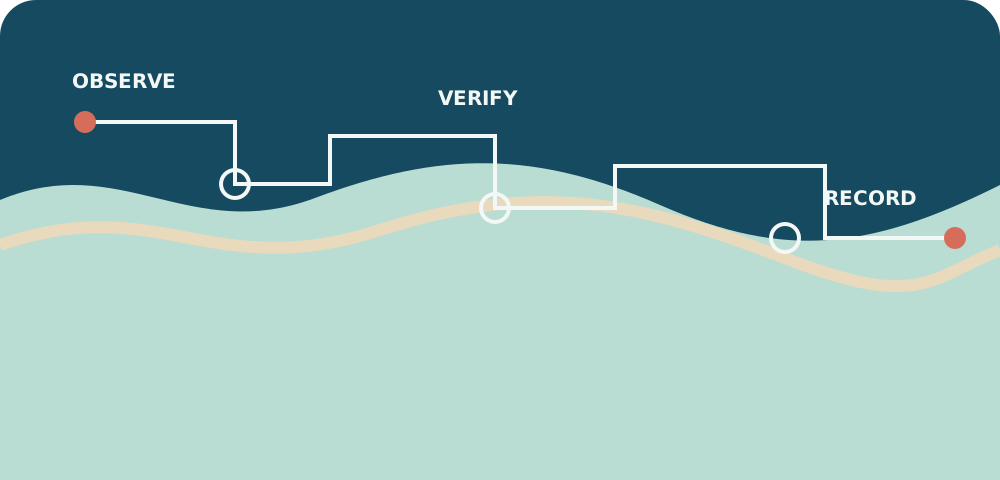
1LocateRoom and first clue
2TimeTrigger and sequence
3ProtectPeople and affected use
4VerifyProvider and scope

Scituate decision notes

Keep the water story in separate lanes

A wet surface can sit at the intersection of plumbing, weather, public infrastructure, equipment, and building materials. The useful task is not to pick a cause from a photograph. It is to preserve the time, place, trigger, and safety boundary well enough that each responsible party can answer its own question.

01

Private plumbing lane

Name the fixture, branch, connection, or interior area that changed. Ask the provider what direct observation or measurement supports the proposed work, which surfaces need access, and what remains uninspected. The referral number does not establish who will answer, so business identity and Scituate coverage come first.

02

Town system lane

Scituate publishes separate resources for permits, water, sewer, and public works. A resident may need the property address, service information, a current notice, and a private inspection record before the Town can answer a boundary question. Do not treat a street location or coastal event as automatic proof of public responsibility.

03

Safety and cleanup lane

Uncontrolled water, wastewater, floodwater, hot equipment, and wet electrical areas can require more than a plumbing appointment. Keep people away, follow current emergency or public-health direction, and name the qualified party responsible for drainage, cleanup, drying, electrical review, material removal, and restoration.

04

Permit and inspection lane

The Town's portal supports plumbing applications and inspection requests, but a generic page cannot decide whether a particular scope requires a permit. Put the actual installation, replacement, relocation, or repair in writing, then ask the responsible plumber and inspector who files, what remains visible, and how final status is recorded.

05

Weather context lane

Rain, cold, vacancy, and public advisories belong on the timeline when they overlap the change. They remain context until an inspection supports a route. This distinction is especially important when a basement, crawlspace, drain, or ceiling has more than one possible water path.

06

Closeout lane

A completed payment does not show what was found, tested, approved, or left open. Ask for the finding, final scope, signed changes, products, safe operating demonstration, permit and inspection record when applicable, invoice, warranty, and the names of parties responsible for unfinished moisture or finish work.

Before the first appointment

Build a record another person can follow

A useful home file is short enough to read during a call and specific enough to test on site. These five pages of detail can fit on one sheet without guessing at a cause.

Start with one location sentence

Write the room, level, fixture, and first visible or audible change in that order. "Upstairs bath, tub drain, water clears more slowly after an ordinary shower" is more useful than a broad statement that the plumbing is bad. If the effect appears in a lower room, add that location as a second observation rather than merging the two into a conclusion.

Photographs should show orientation and a safe visible boundary. Avoid opening a wall, moving connected equipment, or entering a wet or confined area simply to make the record more dramatic.

Put every trigger on a clock

Record the last normal use, the first change, and the ordinary action immediately before each repeat. A faucet may show moisture only while running, a dishwasher only while pumping out, and a ceiling edge only after a delay. Those distinctions help a professional choose an inspection sequence.

Rain, cold, vacancy, a public notice, or recent work can sit on the same timeline. Keep them labeled as context. Timing alone does not prove that a storm, freeze, contractor, appliance, or public system caused the condition.

Know which questions belong to Scituate

The Building/Inspections Department and online portal handle local permit and inspection processes. DPW, Water, and Sewer resources address different public infrastructure questions. A homeowner should not assume that a pipe's location or a symptom near the street settles ownership. Prepare the address, system involved, visible point, and private inspection evidence for the relevant Town contact.

During flooding or a sewer advisory, use the current Town and emergency message. An archived alert is useful history, but it should never be presented as today's operating condition.

Check the professional tied to the proposal

Ask the business for the exact responsible plumber's name, license type, and number. Use the current Massachusetts portal and connect the record you find to the estimate and permit responsibility. A directory badge, vehicle graphic, or company name is not a substitute for that check.

Then read the inspection finding beside the proposed scope. The estimate should explain access, protection, materials, excluded restoration, payment stages, changes, permits, inspection, and warranty well enough that another quote can be compared on the same basis.

Close every moisture question deliberately

A plumbing repair can stop a source without drying every material or restoring every finish. Before the visit ends, list cabinets, flooring, ceilings, insulation, wall cavities, crawlspaces, and equipment that were wet, dry, inaccessible, or outside the plumber's task. Assign cleanup, drying, electrical review, and finish work to named responsible parties.

Keep the provider identity, finding, final scope, signed changes, product details, permit and inspection record when applicable, operation check, invoice, payment, warranty, and remaining work. That package is the practical end of the waterline.
Moisture clues

Five observations that shape this decision

Keep each item as evidence for the call. None of these observations establishes a hidden cause by itself.

01

Moving water

Mark the first visible wet edge and whether water is still traveling.

02

Affected use

Name the fixture or room paused instead of labeling the entire system unusable.

03

Known control

Record only a familiar control used without force and its present position.

04

Weather timing

Add rain, cold, or tide timing as context, never as proof of cause.

05

Next contact

Identify the business that answers and verify who would take responsibility.

Problem pathway

Move from the visible clue to supported work

Describe the exact fixture or area, the first wet point or performance change, and the ordinary action that reveals it. A provider can then inspect before proposing work, while Town questions stay with the department responsible for the public system.

  1. 01Write the location and timing.
  2. 02Protect people and pause unsafe use.
  3. 03Identify the business answering the call.
  4. 04Verify responsibility before authorization.

Material questions

Leave with a complete waterline record

Keep the finding beside the work completed, the area actually tested, permit or inspection records when applicable, and any damp material or restoration task that remains open.

Call for plumbing guidance877-702-1610
Call 877-702-1610